


How to Launch a Product on Shopify Without Annoying Shoppers
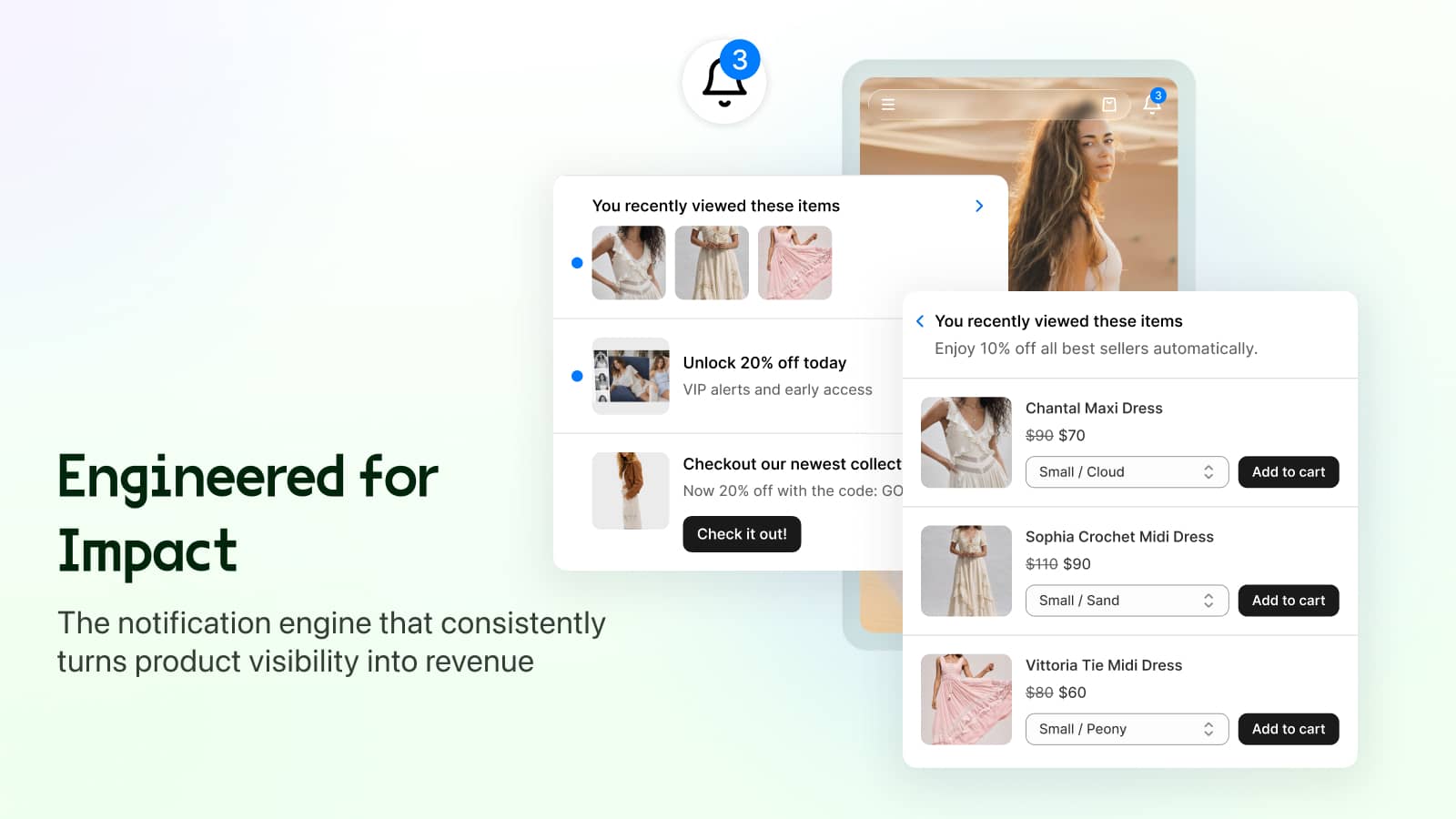
Why popups are one of the worst ways to announce a product launch
If you've spent weeks building up to a launch, the last thing you want to do is interrupt visitors the moment they arrive on your site.
This happens far too often.
A brand teases a drop on Instagram, sends emails, and updates the homepage to generate excitement. Then launch day arrives, and every visitor is greeted by a full-screen popup announcing that the new product is live.
It makes no sense.
The people who care most are often those who came to the site specifically for that launch. They don’t need to be stopped and told what they already came to see. Meanwhile, everyone else gets interrupted before they have a chance to browse.
That’s where launch messaging starts to work against the launch itself.
The problem with the usual approach
Many brands follow the same pattern:
- Build hype before the launch
- Invest time in the product page
- Add a popup to grab attention
- Interrupt the experience for everyone
- Hurt the session before the shopper even settles in
Popups aren’t always bad, but they aren’t the best choice for a launch.
They demand attention right away, whether the visitor wants the message or not. This strategy can work for collecting emails or last-chance offers, but it falls short when the goal is simply to announce something new.
A better way to announce a launch
A smarter approach is to tailor the message to the type of visitor.
Your existing audience has already indicated they want to hear from you. Emails, social media, and homepage updates all work.
Organic shoppers are different. They are browsing and may be interested, but they haven't shown a desire for interruption. This is where a gentler approach is more effective. Consider:
- A subtle badge in the navigation
- A featured spot on collection pages
- A notification feed that shoppers can access when they want
New visitors require even more restraint. Showcase the new product where it fits naturally in their journey. Reserve stronger tactics for moments when they're actually needed, like when they show intent to leave.
Why a notification feed works better
A notification feed doesn’t force the message into the session. It keeps it accessible.
Rather than placing a modal in front of the page, you can add a bell icon in the header with an update inside. Something simple like: New drop now live.
The shopper sees it, can choose to open it if they care, and continues on if they don’t.
That is the difference.
You are still promoting the launch; you're just not hijacking the visit to do so.
For stores that prioritize brand experience, this approach is important. This is especially true if the product page, merchandising, and campaign creative are already doing their job.
What this looks like in practice
For launches, the best sequence is typically straightforward:
- Alert your existing audience first through email and social media.
- Clearly showcase the launch on the homepage.
- Support product discovery through navigation, merchandising, and collections.
- Use a notification feed for shoppers who want to see what’s new.
- Avoid disrupting every session just because the launch is important to you.
That last part is where many brands miss the mark.
Just because something matters to the brand doesn’t mean it should be forced on every visitor the moment they arrive.
The goal is attention without friction.
A good launch announcement should help people discover the product, not pull them away from it.
If someone is interested, they will engage.
If they aren’t, there’s no need to create friction just to ensure they notice it.
That’s why lighter touch launch messaging often performs better over time. It respects the visit, keeps the experience smooth, and still gives the announcement a clear place on the storefront.
Start with the least disruptive option.
Before adding another popup to your launch plan, consider whether it actually enhances the experience or simply makes the announcement harder to miss.
Those are not the same thing.
For many brands, a notification feed is a better middle ground. It gives the launch dedicated visibility while allowing shoppers to engage on their own terms.
This usually results in a better session, improved brand perception, and less friction around the product you’re trying to sell.